Mobile Learning in the Classroom
"The mobile revolution is here."
- Jonathan Wylie
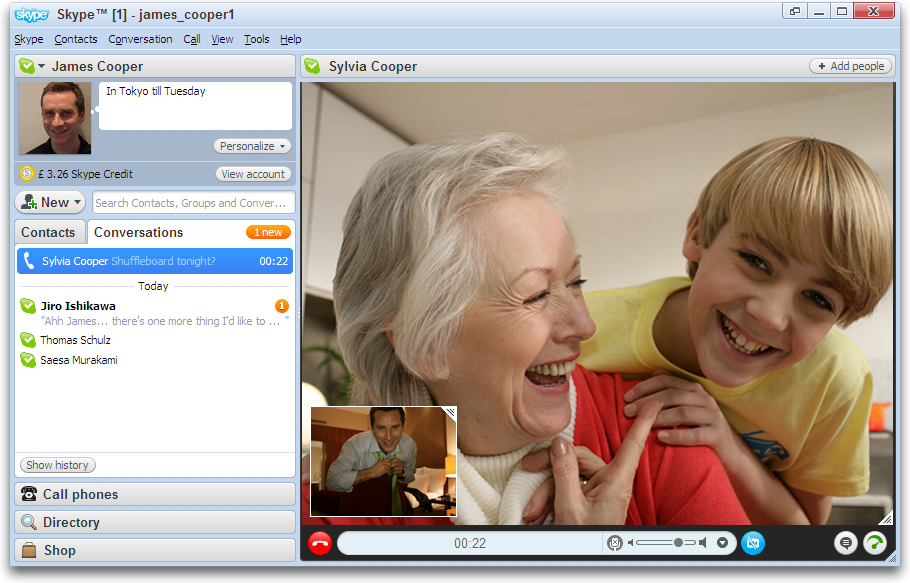
I have used iPods, iPads, laptops and other phones before. However the most effective device I personally enjoyed using was a regular phone. My phone is a Samsung Galaxy S2. It serves the same purposes as a laptops but it is only smaller. With study, I will still use a computer for typing an assignment, but phones are handy in looking up words, going on the internet, checking the weather, checking email, and so much more. You can even Skype on phones, just like you would on a computer or laptop. And with internet connection, this can be done anytime and anywhere. I have seen people use their phones anywhere, but also iPads are commonly used. They are a bigger version of an iPhone, so they can take photos, show videos and photos, and much more. Mobile or portable devices are popular because of their practicality and compactness.
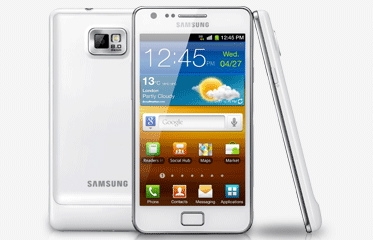
Samsung Galaxy SII
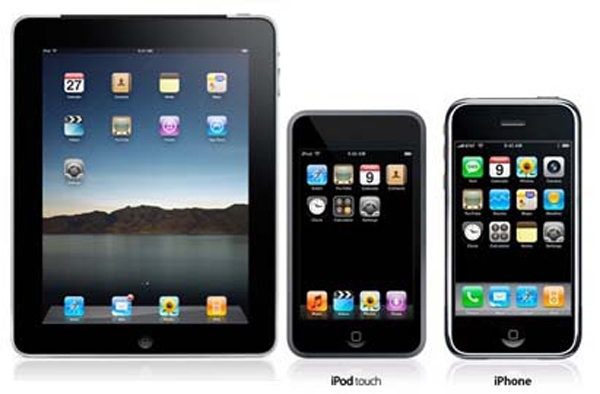
Apple's iPad, iPod touch and iPhone
An example of how Skype works and looks
As students are always on the move, technology like iPads, phones and laptops are an essential to study. Other than being convenient, it opens the opportunity for students to learn new things because of the change in curriculum or activity. An e-book reader or online book, for example, lets students read anything they want and change between books. Any book they want would be on their online book or Kindle in a virtual library. If they are finished with one book, they do not need to physically find the book at library, it is all there in the palm of their hands. Blogger Jonathon Wylie stated that, "They [students] are more engaged in learning when using the latest technological gadgets, because it is what they are most used to interacting with. Our students don't just want mobile learning, they need it." (Wylie, n.d.) Wylie found that when students use products like iPads, they gain skills quicker because they are so used to using technology. It is predicted that mobile devices will become the main source of internet access. People will no longer use computers, instead, it will be smart devices, iPads and laptops that are used. The authors of A Study of Mobile Learning Trends at the U.S. Naval Academy and the Naval Postgraduate School, predict that, "...by 2015 people using mobile devices will make up 80 percent of those accessing the Internet." (Ruth, D. M., Mastre, M. M., & Fricker, R., 2013). Portable devices allow students take their work with them anywhere they go. They can read anything want, even without internet connection, since files can be saved to a device. As previously stated, computers will only be for temporary use as laptops, iPads and any other portable device can easily substitute a computer.
"One of the funny things that I've found over the last year and a half, using the iPad in the classroom, is the kids get so involved that they don't really realise they are learning as much as they're learning.."
- Eric Crouch